
How Long Should a Custom Home Last?
When you're investing in a custom home, you're not just thinking about move-in day. You're thinking about the years ahead. Whether it's the place you plan to raise a family, host holidays, or eventually pass down to the next generation, longevity matters.
A well-built custom home should provide decades of dependable performance. While individual components like roofing, windows, and mechanical systems will eventually need maintenance or replacement, the structure itself should be built to last for generations.
So what separates homes that continue performing year after year from those that develop issues much sooner? It comes down to much more than the finishes you can see.
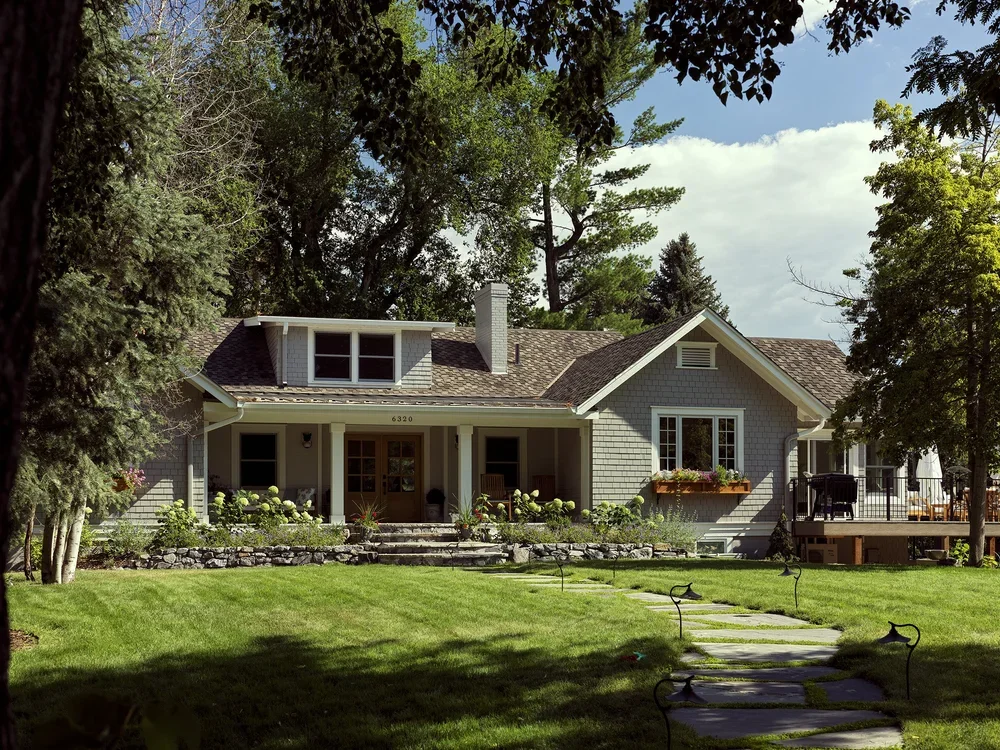
How long should a custom home last?
A custom home that's thoughtfully designed, professionally built, and properly maintained can last well over 100 years. In fact, many of the homes that have stood for generations have one thing in common: they were built with quality construction practices from the very beginning.
That doesn't mean every material lasts forever. Roofing, siding, HVAC systems, and appliances all have expected lifespans and will eventually require maintenance or replacement. But the home's structure, foundation, framing, and overall integrity should continue serving homeowners for decades when they're built correctly.
Longevity isn't about avoiding maintenance. It's about starting with a solid foundation and quality construction that allows the home to age well over time.
What determines how long a custom home lasts?
Several factors influence how well a home performs over the years, and many of them are hidden behind the walls.
Proper site preparation and drainage help protect the foundation from moisture issues. Quality framing creates a stable structure that resists movement over time. Correct installation of windows, doors, roofing, and waterproofing systems helps keep moisture where it belongs: outside.
Mechanical systems also play an important role. Heating, cooling, plumbing, and ventilation all work together to keep a home comfortable while protecting it from excess humidity and long-term wear.
Every phase of construction builds on the one before it. When each detail is completed with care, the finished home is better equipped to perform for years to come.
What building practices help a home last longer?
Long-lasting homes aren't built by accident. They result from careful planning, skilled craftsmanship, and attention to detail throughout construction.
Some of the most important building practices include:
Thorough pre-construction planning before work begins
Accurate framing and structural installation
Proper flashing and waterproofing around openings
High-quality insulation and air sealing
Careful installation of windows and exterior doors
Strong coordination between every trade involved in the project
These are the details homeowners may never see once drywall goes up, but they're often the reason a home continues performing well decades later.
What maintenance helps protect your investment?
Even the best-built home benefits from regular maintenance.
Simple routine care can go a long way toward protecting your investment:
Inspect your roof after major storms.
Keep gutters and downspouts clean.
Service your HVAC system on a regular schedule.
Monitor grading and drainage around the foundation.
Replace worn caulk around windows and doors when needed.
Address small repairs before they become larger problems.
Staying proactive helps extend the life of many components and keeps small maintenance items from turning into expensive repairs.
Why do some homes age better than others?
Two homes built around the same time can look very different twenty years later.
The difference often comes down to how they were planned, how they were built, and how they've been maintained.
Homes built with quality materials, experienced craftsmanship, and careful attention to detail tend to hold up better over time. They experience fewer recurring issues, remain more comfortable through changing seasons, and continue functioning the way they were intended.
Just as importantly, homeowners who stay on top of routine maintenance help preserve the work that went into building the home in the first place.
Is building for longevity worth it?
When people think about investing in a custom home, it's easy to focus on finishes and features. Those details certainly matter, but the value of a home goes far beyond what you see on the surface.
Quality construction creates a home that performs well year after year, requires fewer unexpected repairs, and provides lasting comfort for the people living in it.
At RLK Custom Builders, we believe every project should be built with the future in mind. Because the true measure of a custom home isn't just how it looks on day one. It's how well it continues serving your family for years to come.