
Fall in Colorado is a good reminder of how quickly conditions can change. Warm afternoons turn into cold nights, snow returns to the mountains, and shorter days make things like natural light, home orientation, and weather exposure more noticeable.
When building a custom home in Colorado, those conditions should be considered from the beginning. Climate, elevation, terrain, snow, sun, and temperature swings can all influence how a home is designed and built.
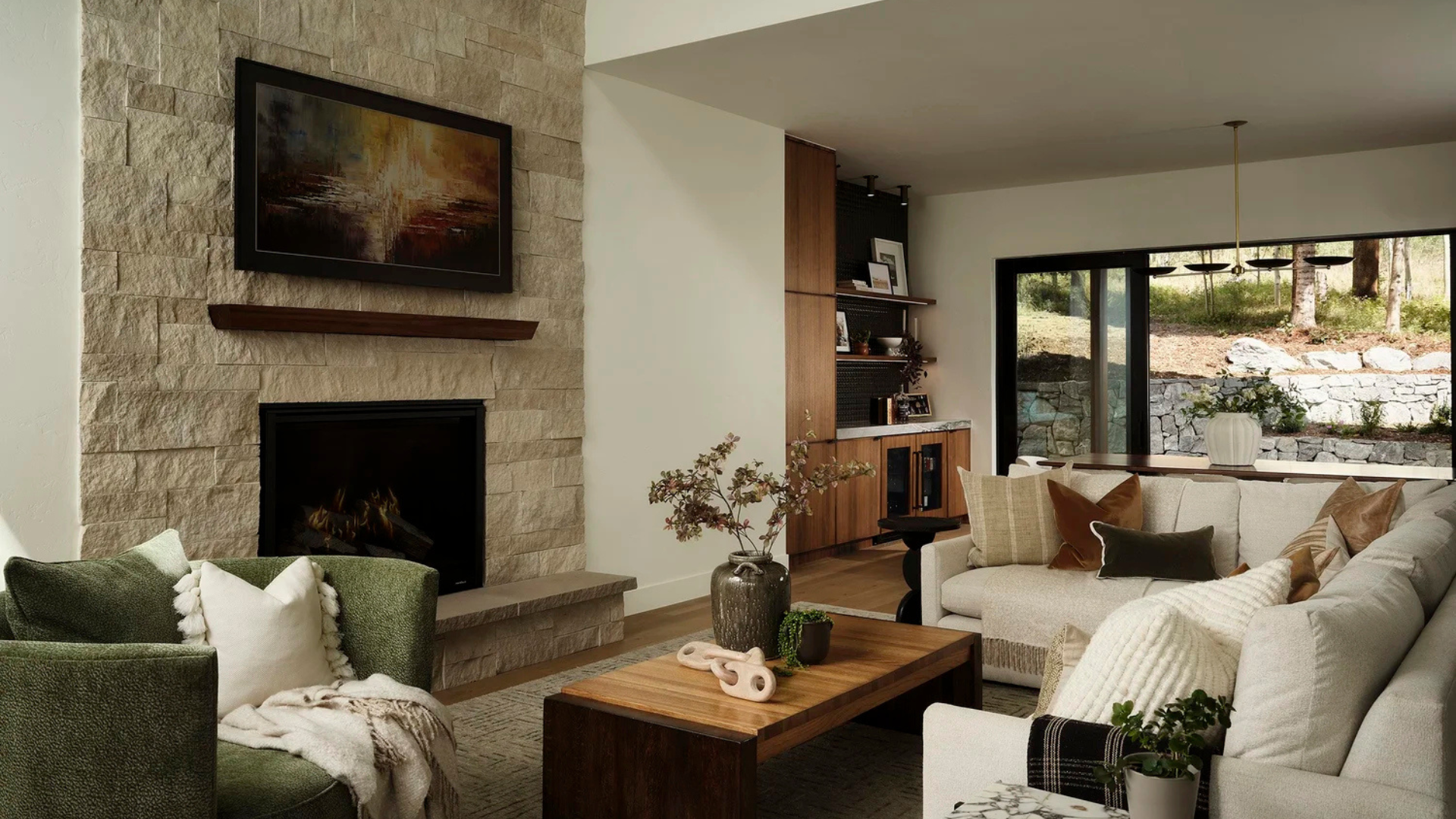
What should you know before building a custom home in Colorado?
Every project starts with the site. Elevation, drainage, access, sun exposure, wind, utilities, and local building requirements can all affect the design and construction process.
A Denver-area home may have very different needs than a mountain home. Working with an experienced Colorado custom home builder early can help identify those considerations before construction begins.
How does Colorado weather affect construction?
Colorado's temperature swings, snow, wind, intense sun, and freeze-thaw cycles can affect both construction and the finished home.
A well-planned project accounts for changing weather throughout the build. Insulation, air sealing, drainage, roofing, windows, heating, cooling, and ventilation also help the finished home perform throughout the year.
What should you consider when building at elevation?
Mountain homes often face heavier snow, colder temperatures, steep terrain, and more complicated site access.
Snow loads, roof design, drainage, access, and weather exposure should all be evaluated for the specific property. The home's design should respond to the site rather than work against it.
How important is home orientation in Colorado?
Home orientation affects natural light, views, weather exposure, and outdoor living.
Window placement can take advantage of sunlight while accounting for privacy and heat gain. Outside, sun, shade, wind, and snow can help determine the best locations for patios, decks, and entrances.
These differences become especially noticeable as the days get shorter in the fall.
What materials work well for Colorado homes?
Colorado homes face intense sun, snow, moisture, freezing temperatures, and changing weather.
Roofing, siding, windows, doors, insulation, and exterior finishes should be selected based on the home's location and exposure. The goal is to choose materials that make sense for the specific home, not simply what looks good.
How should a home be designed for Colorado's seasons?
A Colorado custom home needs to work in July, January, and everything in between.
Mudrooms provide space for boots and outdoor gear. Covered patios can extend the outdoor season. Proper storage helps with seasonal equipment. Insulation, air sealing, heating, cooling, and ventilation help maintain a comfortable indoor environment year-round.
Is fall a good time to start planning a custom home?
Fall can be a great time to start the planning process. It also gives homeowners a chance to see how a property performs as conditions change.
Where does the afternoon sun hit? Which areas stay shaded? How exposed is the property to wind? How does water move across the site?
These observations can help shape a home that works with its surroundings.
Building for Colorado
Building a custom home in Colorado means planning for the site, climate, and changing seasons from the start.
At RLK Custom Builders, we build custom homes with Colorado living in mind, from Denver-area properties to mountain homes. If you're considering building a custom home, contact RLK Custom Builders to start the conversation.