
Future-Proofing Your Home: Design for Aging in Place + Smart Home Integrations
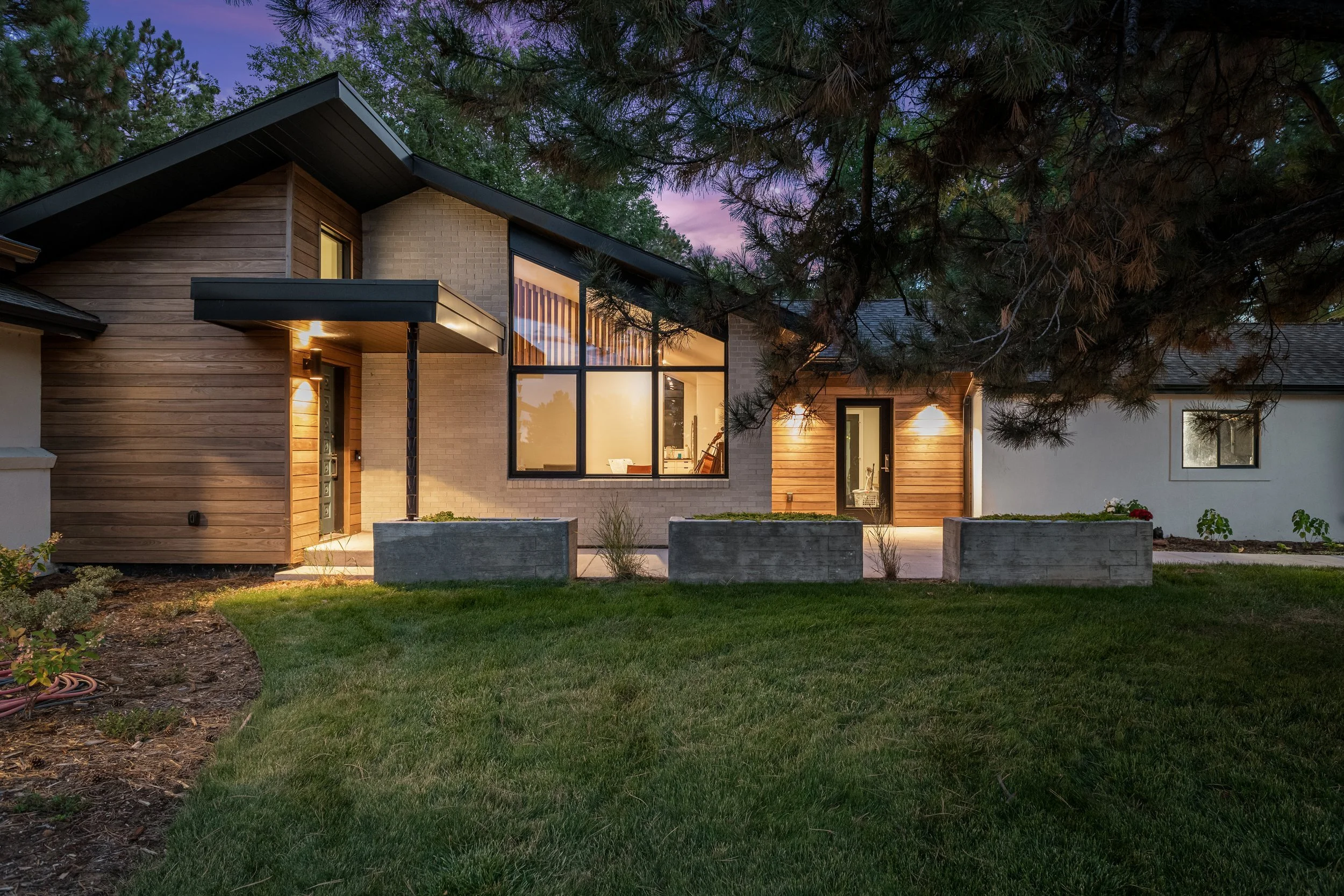
Building for Tomorrow Starts With Universal Design
A future-ready home begins with how it’s laid out. Wide hallways, doorways that accommodate mobility devices, and at least one zero-step entry aren’t just nice features, they’re investments in comfort and accessibility. Imagine not having to worry about stairs if you or a loved one need a wheelchair one day, or being able to host grandparents without scrambling to create safe access.
Bathrooms and kitchens deserve the same long-term thinking. A curbless shower with space to maneuver isn’t just a luxury; it’s a safer, easier option for everyone. Pull-out drawers instead of deep cabinets save your back today and keep things within reach later. Even something as simple as adding blocking behind the drywall for future grab bars can save you a costly remodel down the road. These details don’t shout “hospital,” they just quietly make life easier.
The Quiet Backbone: Infrastructure You Don’t See
When it comes to technology, the smartest move isn’t the flashy device, it’s the wiring behind the walls. Think of Cat6 cabling, extra electrical capacity, and a low-voltage hub as your home’s nervous system. You might not use every port right now, but in ten years, when your family needs more bandwidth, new devices, or backup power systems, you’ll be glad the bones were there to support it.
Too often, homeowners chase the latest connected gadget only to find it obsolete in a few years. Instead, invest in infrastructure that makes it easy to upgrade later. Hardwired networking points, neutral wires in every switch box, and a dedicated panel for critical loads are small upfront moves that keep you from tearing walls open down the line.
Smart Homes That Age Gracefully
Smart home tech can be incredible, but only if it serves you in ways that last. A good rule of thumb is to start with safety and convenience, not novelty. Think of water sensors that shut off the main supply before damage spreads. Smoke and CO detectors that send alerts to your phone. Lighting that automatically turns on low at night to guide you to the bathroom without fumbling for switches.
The key is to keep it simple and interoperable. Choose devices that work across ecosystems and still function if the internet goes down. Look for hubs and systems that support new standards like Matter and Thread, so you aren’t locked into a single brand. And remember: voice control is great, but physical switches and buttons should always be there for when technology stumbles.
Comfort, Safety, and Daily Living
As we age, little details become big deals. Good lighting with less glare and more layers helps tired eyes. Smooth, slip-resistant floors make a fall less likely. Even subtle automations, like lights that come on when someone gets out of bed, create peace of mind without adding clutter or complexity.
And let’s not forget the systems that quietly support health and comfort: efficient heating and cooling, fresh-air ventilation, humidity control. These aren’t “smart” in the app-driven sense, but they’re essential for long-term livability.
Thinking in Phases
Future-proofing doesn’t have to mean doing everything at once. Start small: a few smart sensors, blocking for future grab bars, maybe an upgraded smoke detector. As you remodel, look for opportunities to add wiring, outlets, and better circulation. And when it comes to a full renovation or new build, that’s the moment to go all in on universal design, robust infrastructure, and sustainable systems.
The Big Picture
When you zoom out, the goal is simple: create a home that adapts with you, instead of forcing you to adapt to it. Don’t get caught up in today’s gimmicks or finishes that will be outdated tomorrow. Focus on the bones, the infrastructure, and the thoughtful touches that quietly make life easier at every age and stage.
That’s how you design a home that’s not just beautiful today, but functional and supportive decades from now.